MetaboAsia 2027
Abstracts
01 / Bring your work to the roomBring your work. Present a poster.
The midday block is a dedicated poster session over a long networking lunch, and it’s where most of the collaborations actually start. Five abstracts also get a three minute pitch to the whole room at 11:50, immediately before everyone breaks, so people know whose board to look for. Abstracts must be submitted in advance, and we favour first authors and younger physicians for the pitch slots.
Submit your abstract →The one platform built so that clinician meets scientist, and neither leaves the room.
Every other meeting sends the doctors to one hall and the scientists to another, and calls the coffee break translation. MetaboAsia exists to close that gap. Clinicians, scientists and industry sit at the front together, in one room, and speak one after another on the same disease. Nobody gets forty minutes to walk us through their own figures. You get seven, in quick succession, and then the whole panel takes the room’s questions at once.
Want a speaking slot, bring an industry perspective, or help shape a track? We’d love to hear from doctors, scientists and industry across combined metabolism, sarcopenia, cardiology and the liver. We especially want younger physicians in the room.
RSVP now, seats are limited →Want a speaking slot or to bring an industry perspective? Email us.
The Format
02 / Seven minutes each, then the panelThe experts sit together at the front and speak one after another, seven minutes each, in quick succession. Then they stay where they are and take the room’s questions as a panel. Nobody leaves the stage between talks, nobody queues at a podium, and the room never splits in two.
Make one point
Long enough to build a real argument, far too short to walk through a paper. One claim, stated plainly, no methods slide, no acknowledgements page.
The panel answers back
Questions are held to the end of the track, so the room pushes on the whole arc at once rather than one slide. Every speaker in that track is still sitting there to answer.
Lunch, booths + posters
A long midday break for networking over lunch, industry booths and poster presentations, where the collaborations actually start.
The room
Experts seated together at the front · one speaks at a time · nobody leaves the stageEvery track also travels the same distance in the same direction. It opens in clinic and ends at the bench. The first talk sets out the disease and why the room should care, the second says what the clinic actually needs and cannot currently get, and the talks that follow bring the omics, the models and what industry can build. Every track except cardiology also carries a ten minute industry and biotech sharing before the panel. Every segment has its own moderator, who keeps the handoffs tight and chairs the panel at the end. Speakers are briefed to hand off, so each talk answers the problem the one before it raised.
The Day
03 / Four tracks · 20 talks · posters at the breakThe day is built as one argument, not four sessions. We open on the syndrome that ties everything together, move to the tissue everyone is losing, and take the inflamed heart into lunch. After the posters we come back to the disease you cannot see on an angiogram, closing on the liver, the one organ here where the drugs finally worked. Inside every track the running order is fixed, opening in clinic and ending at the bench. Every talk is seven minutes, and each track closes with ten minutes of panel Q&A. Programme in progress. Timings are indicative and the afternoon has room for further segments.
Combined Metabolism
Holds the Personal Chair of Translational Liver Research at the University of Edinburgh and is an Honorary Consultant Hepatologist at the Royal Infirmary of Edinburgh. Senior author of SteatoSITE, the gene‑to‑outcome multimodal MASLD database built from 940 histologically characterised patients (Nature Medicine, 2023). Also speaking in the Liver track.
Assistant Professor in the Division of Gastroenterology and Hepatology at the University of Michigan. Holds NIDDK K08 DK132312 and received the AASLD Foundation’s 2020 Clinical, Translational and Outcomes Research Award in Liver Disease. First author of the 2023 Gastroenterology study on PNPLA3 genotype, diabetes and incident cirrhosis in NAFLD.
Associate Professor of Medicine and consultant in the Division of Community Nephrology and Hypertension at Mayo Clinic in Rochester, Minnesota. Works on the epidemiology of kidney stones, including risk factors, recurrence prediction and urine metabolic profiles in stone formers, alongside acute kidney injury and the clustering and long‑term impact of electrolyte disorders.
Head of Division and Senior Consultant, Body Imaging, at National University Hospital, subspecialising in hepatobiliary and oncological imaging, and core faculty on the NUHS Diagnostic Radiology Residency Programme. First author of the 2026 Alimentary Pharmacology & Therapeutics systematic review calling for standardised imaging‑based morphological criteria for liver cirrhosis.
Senior Scientist at A*STAR’s Institute of Molecular & Cell Biology (IMCB). His research interests lie mainly at the intersection of chemistry and biology, where he seeks to incorporate new tools in tackling challenging and important biological problems. His work focuses on inventing optogenetic tools to dissect signalling pathways that are important for growth and metabolic sensing. Ong is also intrigued by how perturbations such as metabolites, light and oxidative stress could perturb cellular signalling.
Zayed bin Sultan Al Nahyan Professor of Medicine and Vice‑Dean for Research at the NUS Yong Loo Lin School of Medicine, Director of the Cardiovascular Research Institute and Senior Consultant in Cardiology at the National University Heart Centre Singapore. His group published the first epigenomic map of the failing human heart, and works across single‑cell transcriptomics, 3D chromatin architecture, CRISPR screens and polygenic risk scores; he is corresponding Principal Investigator of Project RESET, Singapore’s national preventive heart health programme. Co‑corresponding author on adipose circular RNAs in obesity and adipogenesis (Nature Metabolism, 2019) and senior author on CTCF‑based chromatin architecture in the heart failure stress‑gene response (Circulation, 2019).
Sarcopenia
Assistant Professor in the Division of Gastroenterology at Kurume University School of Medicine. Received the AASLD–APASL Early Career Investigator Award at APASL 2024 and the Professor Mindie H. Nguyen Award for Outstanding Clinical Research by Early Career Investigators at AASLD 2023. First author of the 2024 Alimentary Pharmacology & Therapeutics multicentre Japanese study of 1,349 patients on mid‑term mortality in biopsy‑proven MASLD.
Chairman of the Japanese Association of Rehabilitation Nutrition and chair of its clinical guidelines committee. Directs the Center for Sarcopenia and Malnutrition Research at Kumamoto Rehabilitation Hospital, established in 2020, and co‑authored Japan’s Guidelines for Nutritional Management of Sarcopenia and Frailty 2025 (Geriatrics & Gerontology International).
Associate Professor in the Division of Endocrinology and Metabolism at Seoul National University Bundang Hospital. First author of the 2020 Science Translational Medicine study showing that lactation improves pancreatic β‑cell mass and function through serotonin production, and of the 2021 Journal of Cachexia, Sarcopenia and Muscle nationwide Korean analysis showing that fatty liver disease and sarcopenia additively increase mortality. Recipient of the Korean Endocrine Society’s Song‑Won Medical Scientist Award (2024) and the Korean Society for the Study of Obesity Young Investigator Award (2026).
Vice President of Molecular Design at Deep Genomics, working on oligonucleotide therapeutics and targeted delivery. Previously Head of Drug Discovery Sciences at Takeda, VP of Medicinal Chemistry at Stoke Therapeutics, VP of Chemistry Innovation at Pharmaron, Executive Director of the Chemistry Innovation Centre at AstraZeneca, and a lead generation leader at Roche. Editor of A Handbook for DNA‑Encoded Chemistry (Wiley, 2014), first author of “DNA‑encoded chemistry: enabling the deeper sampling of chemical space” (Nature Reviews Drug Discovery, 2017), and sole author of a 2023 Expert Opinion on Drug Discovery review of lipid‑oligonucleotide conjugates for therapeutic applications.
Cardiology · Inflammatory CVD
Senior Consultant in Cardiology at the National Heart Centre Singapore and Clinical Assistant Professor at Duke‑NUS since 2022. First and corresponding author of PANES‑HF (Scientific Reports, 2024), which tested point‑of‑care AI‑enhanced echocardiography performed by a single novice operator to screen for heart failure.
Consultant in the Department of Cardiology at the National University Heart Centre, Singapore, and Adjunct Assistant Professor at the NUS Yong Loo Lin School of Medicine. Works on cardiomyopathies, cardio‑neurology and the brain–heart interaction, and multi‑modality cardiac imaging across echocardiography, nuclear cardiology, CT and cardiovascular MRI.
Group Leader in Systems Immunology and Immune Engineering at A*STAR’s Singapore Immunology Network, appointed in December 2024. His laboratory uses single‑cell sequencing, spatial omics and transgenic models to work out how neutrophils are reprogrammed inside tumours and how mast cells drive keloid scarring, with the aim of finding pathways that can be targeted. Holds an NMRC Young Investigator Research Grant and an SRIS Joint Research Grant.
Associate Professor of Vascular Biomedicine and Provost’s Chair in Medicine at LKCMedicine, NTU, where she is also Assistant Dean for PhD Studies and Scientific Director of the Vascular Research Initiative run with Tan Tock Seng Hospital. Her laboratory builds stem‑cell‑derived vascular models to study endothelial–immune crosstalk in chronic inflammatory disease. Senior and corresponding author on endothelial–immune crosstalk in fatty liver vasculopathy (EMBO Reports, 2022) and on persistent immune activation driving endothelial dysfunction after COVID‑19 (eLife, 2021).
Lunch: Networking, Industry Booths & Posters
Cardiology · Microvascular & Endothelial Dysfunction
Author of over 250 publications on the epidemiology of fatty liver disease and its cardiometabolic complications. Named on the Stanford/Elsevier world top 2% most‑cited scientists list for two consecutive years.
Associate Professor of Medicine in Cardiology at Duke University School of Medicine and a member of the Duke Clinical Research Institute, where he directs the Hemodynamics Core Lab and the Heart Failure Research Cluster. An advanced heart failure and transplant cardiologist, he works on haemodynamic and congestion phenotyping in HFpEF, splanchnic nerve modulation and device‑based therapies. First author of REBALANCE‑HF, the sham‑controlled trial of endovascular greater splanchnic nerve ablation in HFpEF (JAMA Cardiology, 2024), senior author of the 2024 HFSA scientific statement on device‑based therapies in heart failure, and recipient of the American College of Cardiology’s Douglas P. Zipes Distinguished Young Scientist Award.
Senior Consultant in Cardiology at the National Heart Centre Singapore and Clinical Assistant Professor at Duke‑NUS since 2022. First and corresponding author of PANES‑HF (Scientific Reports, 2024), which tested point‑of‑care AI‑enhanced echocardiography performed by a single novice operator to screen for heart failure, and first author of a SingHEART activity‑tracker analysis in JMIR mHealth and uHealth (2025).
Senior Director of Translational Medicine at HAYA Therapeutics in Switzerland, where she leads translational strategy across the company’s RNA therapeutics pipeline. Previously Senior Principal Scientist for Cardiovascular, Renal and MASH at Novo Nordisk in Copenhagen, a member of the Cardiovascular Bioscience Leadership Team at AstraZeneca in Gothenburg, and a guest lecturer at NUS in 2026. Took her PhD at Hannover Medical School in Thomas Thum’s Institute of Molecular and Translational Therapeutic Strategies, and is joint first author of the preclinical development of a miR‑132 inhibitor for heart failure in small and large animal models (Nature Communications, 2020) — the work behind the clinical candidate CDR132L, on which she is a named co‑inventor.
Liver
Professor of Internal Medicine (Hepatology, Diabetes and Endocrinology) at Saga University and Director of the Liver Center at Saga University Hospital. Author of over 300 peer‑reviewed papers and first author of the multicentre randomised ipragliflozin trial in diabetic NAFLD (Hepatology Communications, 2022). Serves on the Japanese Society of Gastroenterology’s guideline development committee.
Gastroenterologist and transplant hepatologist at Mayo Clinic in Jacksonville, Florida, previously Associate Professor of Medicine and Director of Clinical Research at the University of Arizona College of Medicine – Phoenix. Works on the epidemiology of steatotic liver disease, liver transplantation outcomes and disparities in liver care, and is corresponding author of the 2025 Clinical and Molecular Hepatology meta‑analysis of long‑term outcomes in lean versus non‑lean MASLD.
Medical Director of the Adult Liver Transplantation Programme at NUH and Adjunct Professor of Medicine at NUS, where he leads the Metabolic Liver Laboratory. Over 200 publications, named on the 2025 Stanford/Elsevier world top 2% most‑cited scientists list, and senior author of the 2023 Cell Metabolism global burden of metabolic disease study.
Assistant Professor of Metabolic, Nutrition and Microbiome Medicine at LKCMedicine, NTU, where his laboratory works on diet–microbe–host interactions and their effects on cardiometabolic and vascular disease. Took his MD and PhD at Kobe University, trained clinically in cardiology, and studied T‑cell immune responses in cardiovascular disease under Ken‑ichi Hirata. Completed postdoctoral training with Federico E. Rey at the University of Wisconsin–Madison on diet–microbiome interactions in cardiometabolic disease, and joined the LKCMedicine faculty in 2022.
Postdoctoral fellow at the National University of Singapore. First author of “Angptl4 integrates dietary and microbial signals to disrupt gut barrier function in MASH” (Nature Communications, 2026). Second author on “The LIDPAD Mouse Model Captures the Multisystem Interactions and Extrahepatic Complications in MASLD” (Advanced Science, 2024).
Holds the Personal Chair of Translational Liver Research at the University of Edinburgh and is an Honorary Consultant Hepatologist at the Royal Infirmary of Edinburgh. Senior author of SteatoSITE, the gene‑to‑outcome multimodal MASLD database built from 940 histologically characterised patients (Nature Medicine, 2023), and senior author of the phase 2 randomised trial of autologous macrophage therapy in cirrhosis (Nature Medicine, 2025).
Faculty
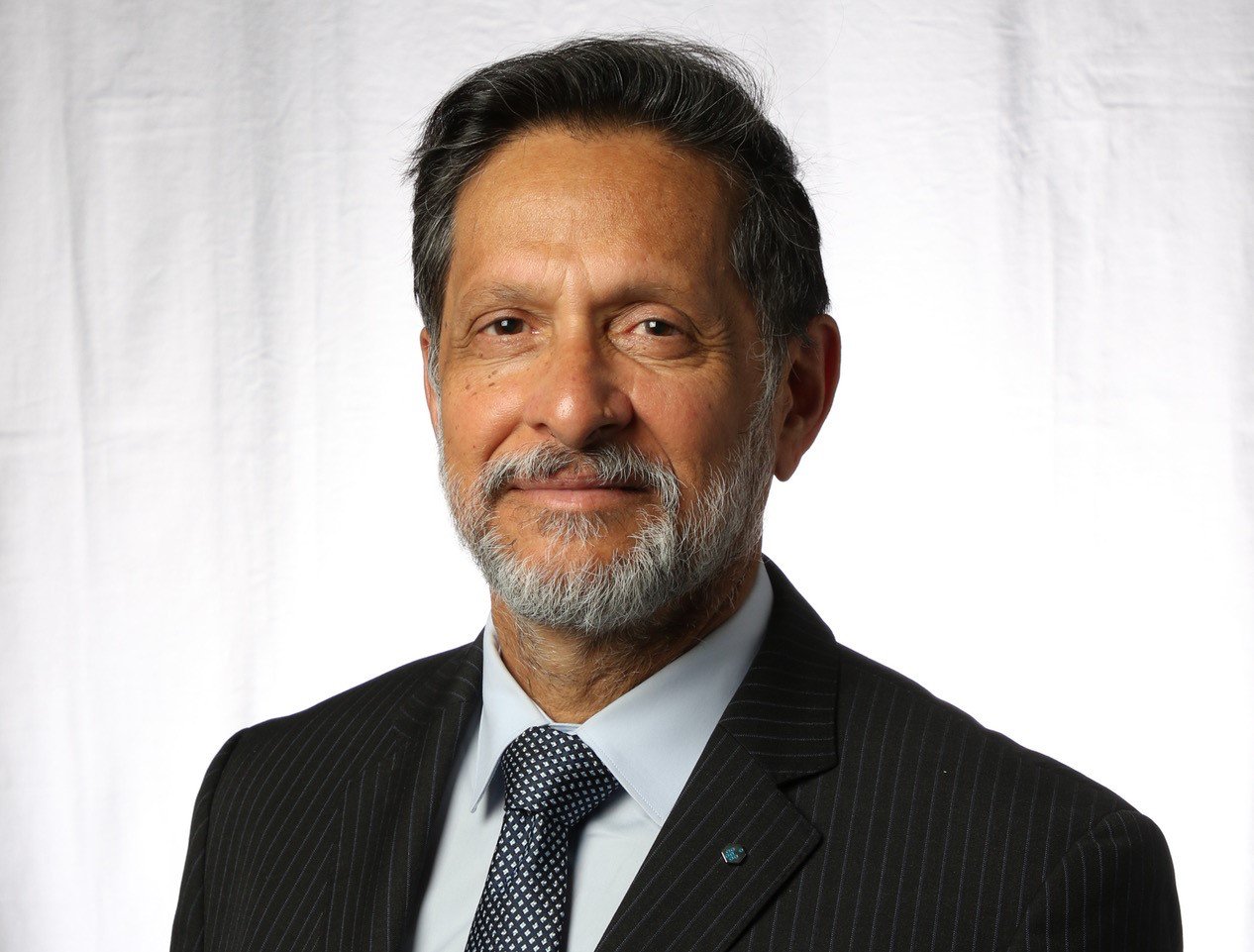
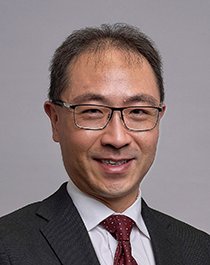
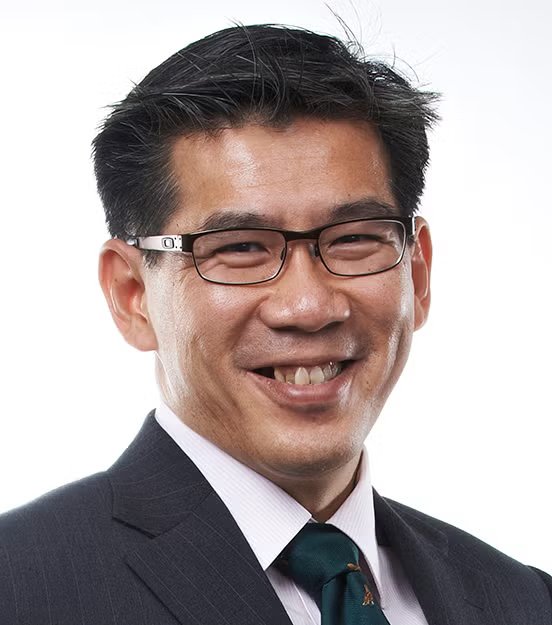
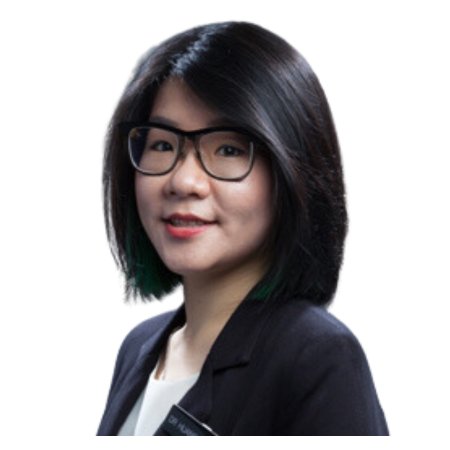
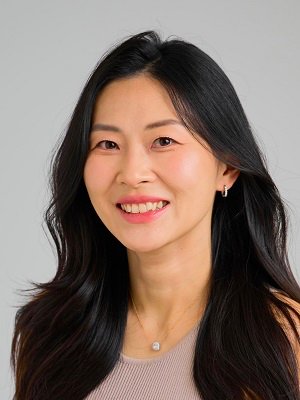
04 / Anchoring the programmeCore Faculty
Anchoring the programme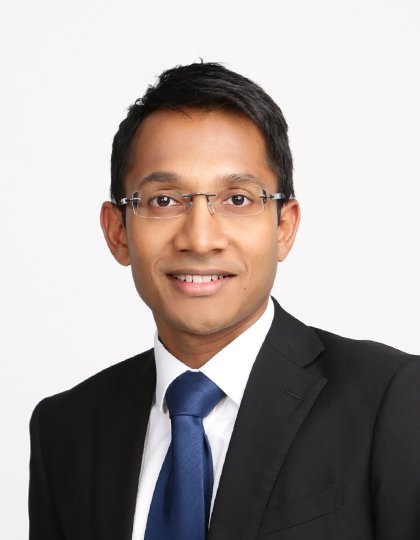
Industry & Partners
05 / In the room, not just on the bannerIndustry sits in the conversation here, not just on a sponsor slide. Sequencing and platform partners join the discussion as collaborators, and host booths through the midday session.